Land of Marsala and Grillo
Amid salt pans, bush-trained vineyards and a sea that blends into Africa, the west is the cradle of Marsala and Sicily's great white wines.


Wine and Territory of Sicily
Sicilian wines bound to their own terroir: west, north-east and south-east, three faces of the same soul.
Like the three points of the island's ancient symbol, Sicilian wine unfolds across three great territories, each with its own land, grape varieties and character.
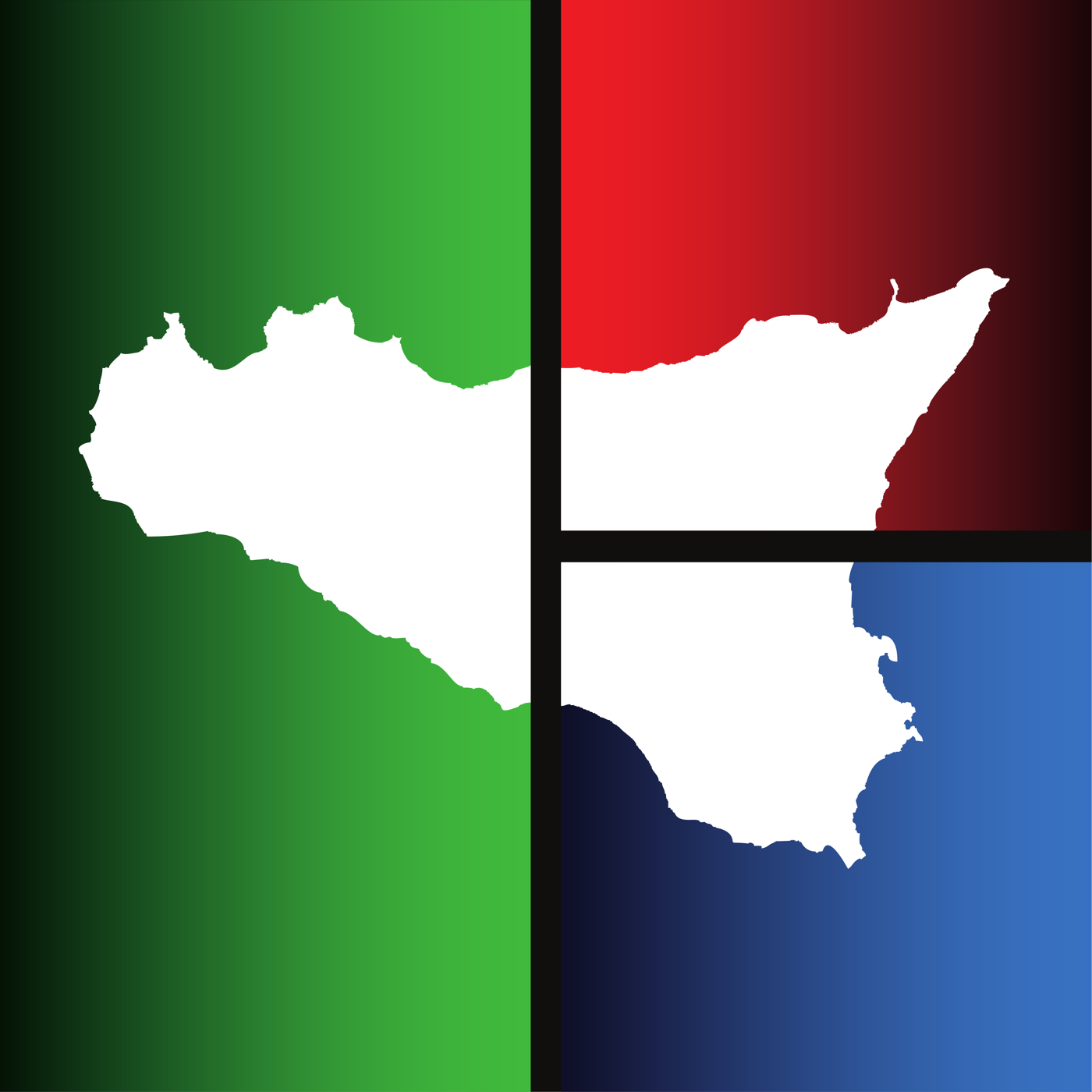
Hover (or tap) the three areas of the map
Amid salt pans, bush-trained vineyards and a sea that blends into Africa, the west is the cradle of Marsala and Sicily's great white wines.
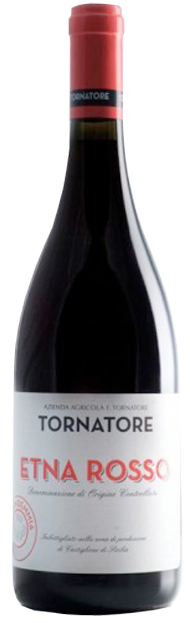
Lava vineyards between 400 and 1,000 metres, where the volcano sets the rhythm and minerality of refined reds and whites.
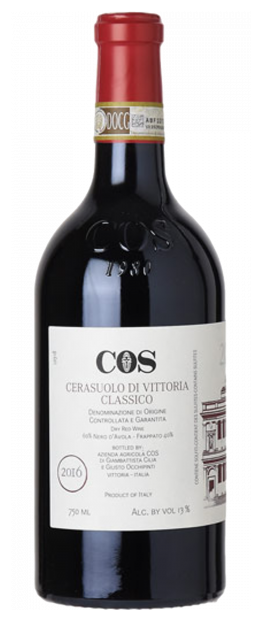
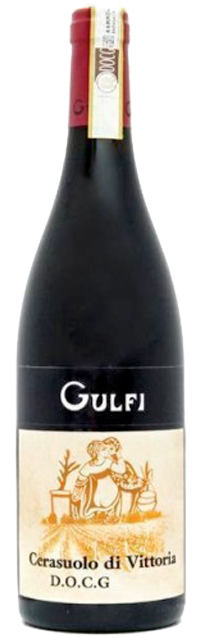
Warm, generous land, home to Cerasuolo di Vittoria and reds as warm as the baroque stone that surrounds them.
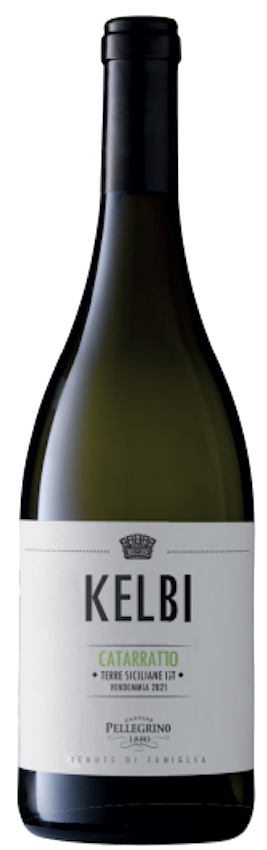
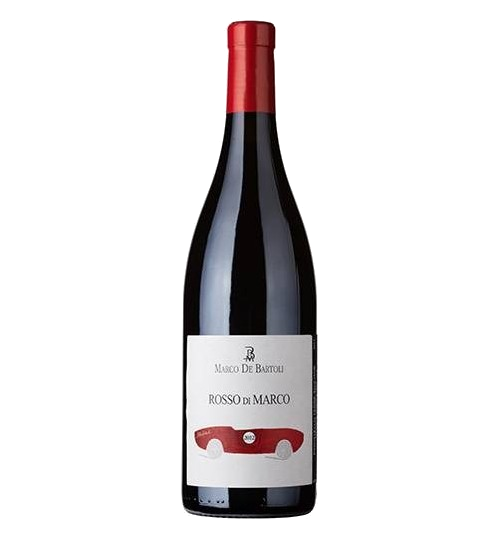
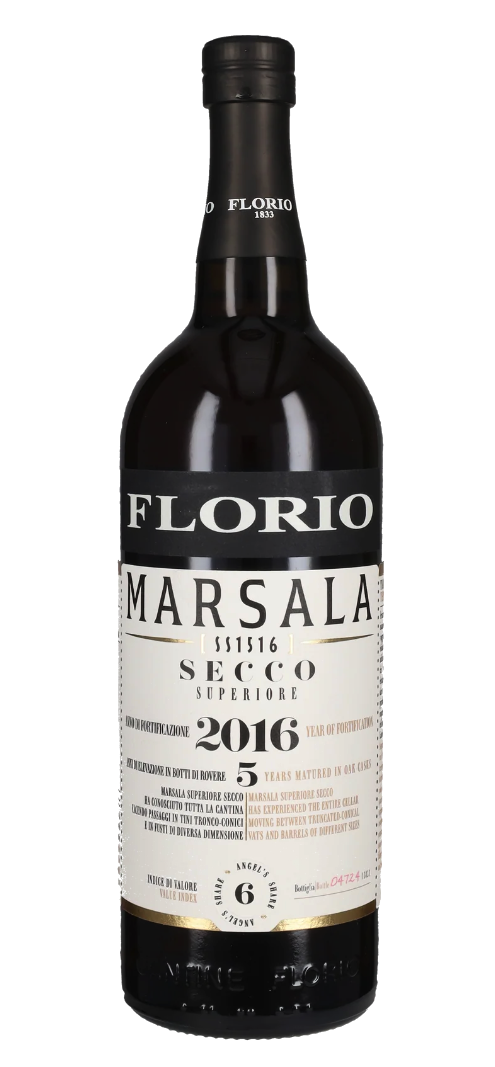
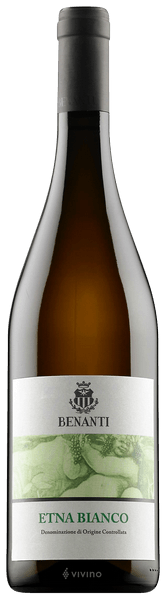
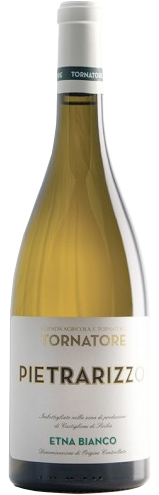
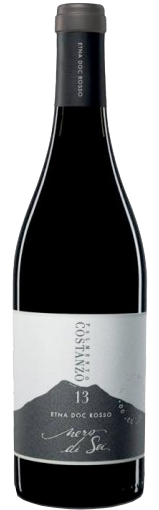
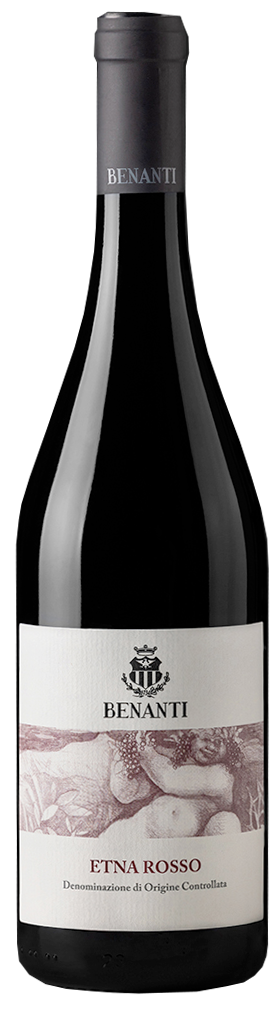
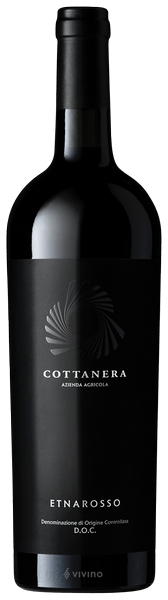
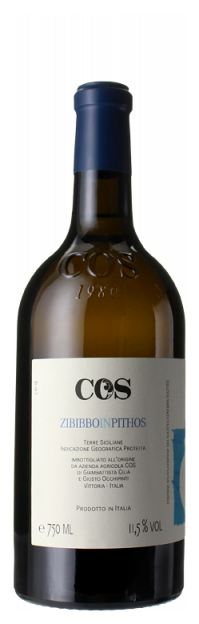
A few labels that capture each territory well.

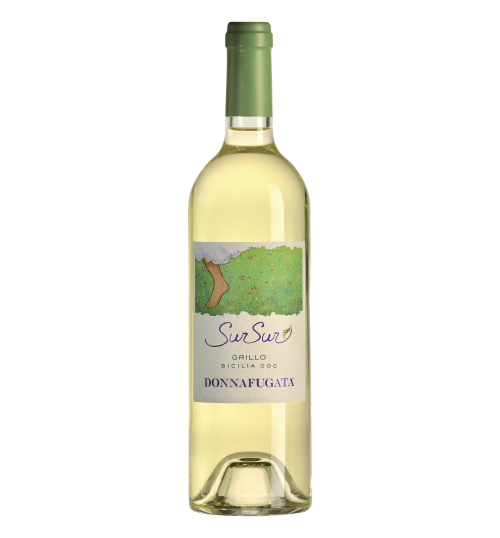
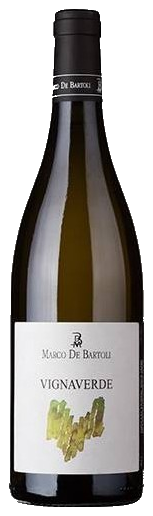
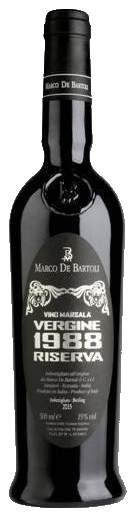
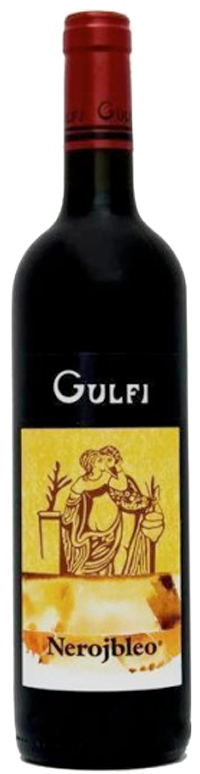
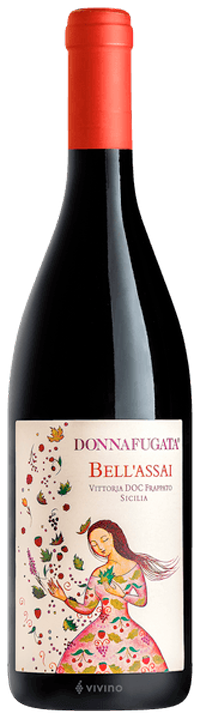
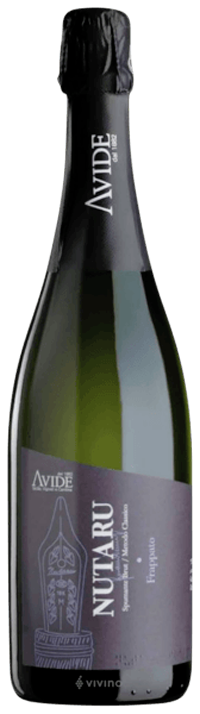
Vinacria originates in Marsala, the Sicilian territory with the largest area under vine cultivation, the beating heart of Sicilian winemaking and birthplace of the island's celebrated DOC wine. In 2013, the city's naming as European City of Wine by the RECEVIN network celebrated a winemaking tradition that today counts around 55 active wineries and over 50 million litres produced each year.
It is from this cultural fermentation that the name Vinacria was born: the perfect fusion between the nectar of the land and the Trinacria, Sicily's ancient symbol. A registered trademark that champions Sicilian wine tourism and tells the story of the island's wine while keeping an unbreakable bond with its native land.
It was within the historic walls of Marsala's Antico Mercato, in the living heart of the city, that the first Vinacria events came to life. A unique, vibrant place where food and wine culture, the vitality of the land and the story of wine first came together.
Today a daily destination for buying fresh fish and the finest local fruit and vegetables, this iconic space holds within its stones a fascinating centuries-old history, closely tied to the city's urban and social evolution.
Adjacent to the Palazzo dei Pubblici Uffici, the Antico Mercato is an integral part of an imposing, austere city block. Its construction began in 1576 and was completed in 1591 for a very specific purpose: to house the Spanish troops and garrison.
In the years before, billeting soldiers in private homes had caused serious violence and destruction, even triggering a terrible epidemic. Once the epidemic had passed, the community decided to build a self-contained military quarter to avoid the disastrous mixing of troops and residents, many of whom had abandoned the city.
Designed on a scale large enough to stable as many as 400 horses, the complex has passed through more than four centuries of change, evolving from a defensive outpost into a lively hub of city life and a keeper of Marsala's identity.